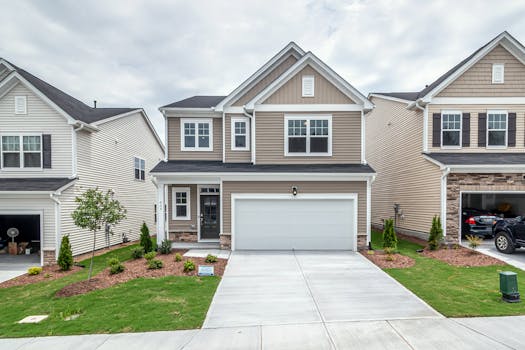

You know that feeling when you drive up to your house? Does it fill you with pride, or a little sigh? For many of us, our home’s exterior is the first impression, and frankly, it can get a bit tired over time. Peeling paint, cracked boards, or just a general lack of “wow” factor can leave you feeling a bit underwhelmed. That’s where the magic of new siding comes in. It’s not just about slapping on some new material; it’s about a complete exterior makeover that can boost your home’s value, energy efficiency, and, let’s be honest, your own happiness every time you pull into the driveway.
Many homeowners think about siding only when the old stuff is falling off. But what if I told you that a strategic update could be one of the smartest investments you make? It’s a bit like giving your house a brand-new outfit, one that’s both stylish and incredibly functional. Let’s dive into how to update your home’s exterior with new siding and explore how this seemingly simple change can make a world of difference.
Why Siding Isn’t Just “Siding” Anymore
Think of your siding as your home’s protective skin. It shields you from the elements, keeps your home insulated, and dramatically impacts its overall aesthetic. When it’s time for an update, you’re not just fixing a problem; you’re unlocking a wealth of benefits. From enhanced curb appeal that can make your neighbors jealous (in a good way, of course!) to significant energy savings, the right siding choice is a game-changer.
Choosing Your Home’s New “Personality”: Material Matters
This is where the fun really begins! The material you choose will dictate not only the look but also the durability, maintenance, and cost of your new siding. It’s not a one-size-fits-all situation, and understanding your options is key to making the best decision.
#### The Classics: Vinyl and Wood
Vinyl Siding: This is often the go-to for its affordability and low maintenance. It comes in a dizzying array of colors and styles, mimicking the look of wood or other materials without the upkeep. Modern vinyl is quite durable, but older or lower-quality versions can become brittle in extreme temperatures or susceptible to fading. It’s a fantastic option for those on a budget who want a fresh look with minimal fuss.
Wood Siding: Ah, the timeless appeal of wood! Cedar, pine, and redwood offer a natural warmth and beauty that’s hard to replicate. However, wood requires regular maintenance – staining, sealing, and painting – to protect it from rot, insects, and UV damage. It can be more expensive upfront and over its lifespan due to these maintenance needs. If you love that rustic charm and don’t mind the upkeep, wood can be a stunning choice.
#### The Premium Players: Fiber Cement and Engineered Wood
Fiber Cement Siding: This material is a true workhorse. Made from a blend of cement, sand, and cellulose fibers, it’s incredibly durable, resistant to fire, insects, and rot, and can mimic the look of wood grain beautifully. It’s low maintenance, holding paint exceptionally well. While the initial cost is higher than vinyl, its longevity and robustness often make it a cost-effective choice in the long run. Many homeowners I speak with find its durability and resistance to our unpredictable weather a major selling point.
Engineered Wood Siding: This is a more advanced version of wood siding. It’s made from wood strands, flakes, or fibers that are bonded together with adhesives. It offers the look of real wood but with enhanced durability and stability, often resisting warping and cracking better than solid wood. It’s generally more affordable than natural wood and requires less intensive maintenance, though it will still need painting.
#### The Modern Marvels: Metal and Stucco
Metal Siding (Aluminum and Steel): Metal siding has come a long way. It’s incredibly durable, fire-resistant, and requires almost no maintenance. It can provide a sleek, modern look or be designed to mimic other materials. Steel is generally stronger and more dent-resistant than aluminum. The main drawbacks can be cost and the potential for denting or scratching.
Stucco: A classic choice, especially for certain architectural styles, stucco offers a beautiful, seamless finish. It’s durable and fire-resistant. However, it requires professional installation, and if not applied correctly or if cracks appear, water can get behind the material, leading to significant damage. It’s also less forgiving when it comes to renovations or adding accessories later on.
Beyond the Material: What Else to Consider for your Siding Update
Once you’ve narrowed down your material choices, there are still a few more crucial elements to consider for how to update your home’s exterior with new siding.
#### Color Palette and Style Synergy
The color of your siding can drastically change the mood and perception of your home. Do you want it to blend seamlessly with its surroundings, or stand out as a statement piece? Consider the architectural style of your home, the roof color, and even the landscaping. A light, airy color can make a smaller home feel larger, while a deep, rich tone can add elegance.
Timeless Neutrals: Grays, beiges, and whites are always a safe bet and offer a sophisticated look that rarely goes out of style.
Bold Statements: Deep blues, greens, or even burgundies can add personality and character.
Contrast is Key: Think about how your siding color will complement your trim, shutters, and front door.
#### Insulation and Energy Efficiency
New siding is an excellent opportunity to improve your home’s energy efficiency. Many siding options can be installed with an integrated insulation layer or can have a separate insulating underlayment added. This can help keep your home warmer in the winter and cooler in the summer, leading to lower energy bills and a more comfortable living environment. It’s a win-win for your wallet and the planet!
#### Long-Term Maintenance: What’s Your Tolerance?
Be honest with yourself about how much time and effort you’re willing to put into maintenance. If you’re someone who prefers to “set it and forget it,” then materials like vinyl, fiber cement, or metal will likely be your best bet. If you enjoy the hands-on aspect of home care and appreciate the natural beauty of wood, then you might be willing to commit to the regular upkeep that comes with it.
The Installation Process: A Crucial Step
Even the best siding material won’t perform well if it’s not installed correctly. This is not a DIY project for the faint of heart, nor is it typically recommended for the average homeowner looking to update their exterior.
Hire a Professional: Look for experienced, reputable contractors. Get multiple quotes, check references, and ensure they are licensed and insured. A good installer will also help you navigate building codes and permits.
Proper Underlayment: The weather-resistant barrier (like house wrap) and flashing installed beneath the siding are critical for preventing water intrusion.
Attention to Detail: Proper installation involves correct fastening, sealing around windows and doors, and ensuring good ventilation. These details are what make the difference between siding that lasts for decades and siding that fails prematurely.
Wrapping Up: Your Home’s Next Chapter
Updating your home’s exterior with new siding is more than just a cosmetic fix; it’s a strategic investment that pays dividends in curb appeal, energy efficiency, and increased home value. By understanding your material options, considering your aesthetic preferences, and prioritizing professional installation, you’re setting yourself up for a beautiful and long-lasting transformation.
So, tell me, what’s the one thing you love most about your home’s current exterior, and what’s the biggest change you’re dreaming of?