
The dream of a dedicated fitness space often conjures images of sprawling garages or expansive basements. Yet, for many, the reality is a more constrained environment – a spare bedroom corner, a section of the living room, or even a repurposed closet. Does this mean sacrificing impactful workouts? Absolutely not. The key lies not in square footage, but in strategic design and intelligent equipment selection. Mastering how to create a functional home gym in a small space is an exercise in ingenuity, transforming limitations into opportunities for focused training.
Defining Your Fitness Vision: The Cornerstone of Spatial Efficiency
Before a single dumbbell is purchased or a yoga mat unfurled, a crucial foundational step is to clarify your fitness objectives. This isn’t merely about wanting to “get fit”; it’s about identifying how you intend to achieve that. Are you primarily focused on cardiovascular endurance, strength training, flexibility, or a hybrid approach? The answer dictates the type of equipment that will provide the most utility within your allocated area.
Consider these analytical questions:
What are your primary training modalities? (e.g., bodyweight, resistance bands, free weights, cardio machines).
What specific exercises are non-negotiable for your routine? (e.g., squats, deadlifts, push-ups, lunges, running).
What is your long-term fitness trajectory? Will your needs evolve, and if so, how can your space adapt?
This introspective phase prevents the common pitfall of accumulating equipment that looks good but serves little purpose in your specific training regimen, thereby consuming valuable real estate.
The Vertical Advantage: Maximizing Wall Space and Air
When floor space is at a premium, the most logical next frontier is the vertical plane. Walls are often underutilized assets in smaller homes, and in the context of a home gym, they can become invaluable storage and training surfaces.
Wall-Mounted Racks and Shelving: For strength enthusiasts, a compact wall-mounted squat rack or pull-up bar can be a game-changer. These systems fold away when not in use, freeing up floor space. Similarly, adjustable shelves can neatly house smaller items like resistance bands, jump ropes, and kettlebells.
Pegboards and Hooks: A well-organized pegboard system can become a central hub for storing lighter accessories. Think foam rollers, agility cones, and even lighter dumbbells. Strategically placed hooks are perfect for hanging yoga mats, resistance bands, or jump ropes.
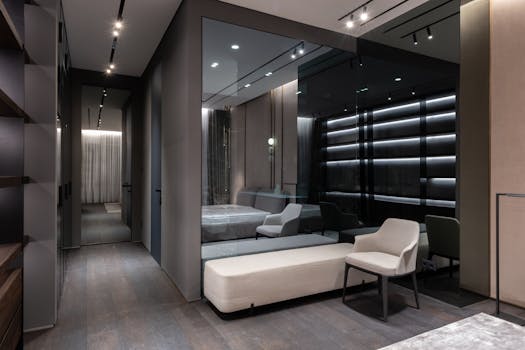
Mirror Integration: While primarily functional for form checking, large mirrors can also visually expand a small space. Consider a mirrored backsplash for a dedicated strength area.
By leveraging vertical space, you reclaim precious floor area, making the room feel larger and your gym more accessible for movement. This is a cornerstone principle when learning how to create a functional home gym in a small space.
Multi-Functional Equipment: The Intelligent Choice for Compact Training
In a confined area, every piece of equipment must earn its keep. The solution? Prioritize items that offer versatility and a broad range of applications. This approach maximizes your training options without cluttering your space.
Adjustable Dumbbells and Kettlebells: Instead of a rack of fixed-weight dumbbells, consider adjustable options. These can be reconfigured to offer a wide spectrum of weights within a single unit, saving significant space. Similarly, a single adjustable kettlebell can replace an entire set.
Resistance Bands: These are perhaps the most space-efficient and versatile tools available. From light resistance for warm-ups and rehabilitation to heavy bands for strength augmentation, they can replicate many barbell and dumbbell movements. They are also incredibly portable, making them ideal for travel or even outdoor workouts.
Suspension Trainers (e.g., TRX): A good suspension trainer can be anchored to a door frame or ceiling mount and allows for an incredibly diverse array of full-body exercises. These are fantastic for developing core strength, balance, and muscular endurance.
Foldable or Compact Cardio Equipment: If cardio is a priority, look for foldable treadmills, rowers, or exercise bikes. Many modern designs are engineered for easy storage, collapsing into a compact form when not in active use.
The strategic selection of multi-functional gear is paramount to efficient space utilization. It’s about getting more bang for your buck (and your square footage).
Smart Storage Solutions: Decluttering for Peak Performance
Even with clever equipment choices, effective storage remains a critical component of how to create a functional home gym in a small space. A tidy space isn’t just aesthetically pleasing; it’s essential for safety and maintaining motivation.
Storage Ottomans and Benches: These dual-purpose items can serve as seating or a workout bench while also concealing smaller equipment like resistance bands, jump ropes, or even lighter weights.
Under-Bed Storage: For lighter items or accessories, consider shallow storage bins that can slide neatly under a bed or sofa if your gym area is integrated into a multi-purpose room.
Rolling Carts: A small, multi-tiered rolling cart can be invaluable for organizing smaller accessories and can be easily moved out of the way when not needed.
The goal is to have a designated place for everything, allowing for quick setup and takedown of your workout space. This minimizes friction and encourages consistent training.
Creating Zones: Establishing Order in Limited Area
Even in the tightest spaces, creating distinct “zones” can significantly enhance functionality and the psychological experience of your gym. This is about visual organization and designating areas for specific types of activity.
The “Cardio Corner”: If you have a piece of cardio equipment, dedicate a small area for it. Ensure there’s enough clearance around it for comfortable use.
The “Strength Station”: This might be where your adjustable dumbbells, kettlebells, or suspension trainer are primarily used. Keep your workout mat here.
The “Flexibility Nook”: A small, clear patch of floor space is all that’s needed for stretching or yoga.
By mentally (and visually) separating these areas, you create a more organized and deliberate workout environment, even if they all occupy the same room. It fosters a sense of purpose for each element of your training.
Final Thoughts: Embracing the Ingenuity of Small-Space Fitness
Transforming a small space into a functional home gym is not about compromise; it’s about intelligent design and a keen understanding of your own fitness needs. By prioritizing multi-functional equipment, leveraging vertical space, implementing smart storage, and defining clear zones, you can create a powerful training environment that supports your health and fitness goals, regardless of your available square footage. The true measure of a home gym’s effectiveness isn’t its size, but its ability to facilitate consistent, productive workouts. So, embrace the challenge, get creative, and build your personal fitness sanctuary, no matter how compact.